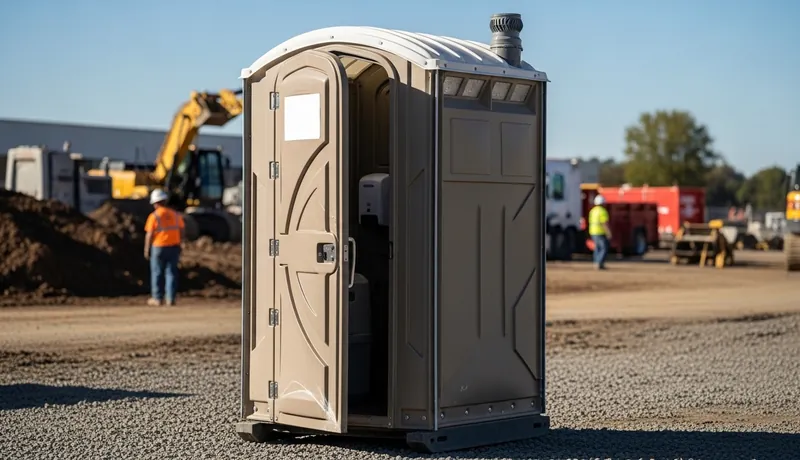
Winter Porta Potty Solutions for Construction Sites
Winter Construction Sanitation Challenges
Winter creates significant challenges for construction site sanitation. Freezing temperatures can render standard portable toilets unusable, creating compliance violations and worker hardship. Frozen valves, solid waste tanks, and cracked components are common problems that lead to service calls, replacement costs, and project delays.
Proactive winterization is essential for any construction project operating between November and March in cold climate regions. Understanding what causes porta potty failures in winter conditions helps site managers make informed decisions about equipment and maintenance.
How Cold Weather Affects Portable Toilets
Portable toilets are designed for seasonal use, but standard units have limitations in freezing weather:
- Waste tank freezing — When temperatures drop below 32°F (0°C), liquid waste can freeze solid, making pumping impossible
- Flush mechanism failure — Water in flush valves and pumps freezes, causing mechanical failure
- Chemical inefficiency — Standard deodorizing chemicals lose effectiveness in cold temperatures
- Plastic brittleness — Polyethylene tanks and shells become more prone to cracking in extreme cold
- Door and latch issues — Ice accumulation can prevent doors from sealing or opening properly
Winterized Unit Features
PottyDirect offers fully winterized portable toilets designed for cold-weather construction sites. These units include:
- Insulated waste tanks with thermal barriers that prevent freezing down to -20°F
- Winter-grade chemicals with lower freezing points (effective to -30°F)
- Valve heaters that activate automatically when temperatures approach freezing
- Reinforced door seals that prevent ice buildup around edges
- UV-stabilized, cold-resistant polyethylene that maintains flexibility in extreme cold
Placement Strategies for Winter
Where you place winter porta potties matters as much as the equipment itself. Follow these placement guidelines for cold-weather operations:
- South-facing locations — Maximize solar exposure to capture daytime warmth
- Wind protection — Place units against buildings, walls, or constructed windbreaks
- Away from snow accumulation zones — Avoid areas where snow plows pile snow
- Elevated positions — Prevent units from settling into mud or frozen ground unevenly
- Heated temporary structures — For extremely cold climates, consider enclosing units in heated tents or containers
Winter Servicing Best Practices
Servicing winterized units requires different procedures than standard units:
- Service during warmest part of the day (typically 12 PM - 3 PM)
- Use heated pumping equipment to prevent hose freezing
- Add antifreeze chemicals after each service to maintain freeze protection
- Check valve heaters monthly to ensure they are functioning properly
- Increase service frequency — cold weather concentrate waste volume, requiring more frequent pumping
- Document temperature readings at each service visit for compliance records
Emergency Winter Procedures
Even with the best preparation, winter conditions can cause unexpected issues. Have these procedures in place:
- Backup units available — Keep 1-2 spare units on site for swap-out replacement
- 24-hour emergency service — Ensure your rental provider offers cold-weather emergency response
- Frozen unit protocol — Know the steps to thaw a frozen unit safely without damaging components
- Worker communication — Inform crews which units are operational and report issues immediately
PottyDirect supports construction sites throughout winter with dedicated cold-weather equipment and priority emergency servicing. Our winterized units keep your project compliant and your workers comfortable, no matter how cold it gets.
![How Many Porta Potties for a Construction Site? [Calculator]](https://pottydirect.com/storage/pottydirect/service-images/1. 20260226_190849_507.webp)